
A high value goods courier hand carries irreplaceable or high value items, such as fine jewelry, art, precious metals, or high value electronics, keeping them under personal custody from pickup to delivery rather than passing them through a standard parcel network. This matters because the item never enters a sorting hub, never changes hands more than necessary, and is delivered directly to the named recipient, which reduces the handling risk that standard carriers cannot fully eliminate.
Why a high value goods courier exists in the first place
FedEx, UPS and similar carriers move enormous volumes efficiently, which is exactly why they are not the right fit for a single irreplaceable item. A parcel in a standard network passes through multiple sorting hubs, multiple handlers, and multiple vehicles before it reaches its destination. Most major carriers also cap declared value, commonly in the tens of thousands of dollars per package, which limits how much protection a standard shipment can actually offer.
A high value goods courier solves a different problem. Instead of moving volume efficiently, it moves one item securely, with a single accountable person responsible for it at every stage. That single point of accountability is what a high value goods courier is really selling.
What counts as a high value good
- Fine jewelry and loose gemstones, including engagement rings, estate collections and diamonds moving between dealers and setters.
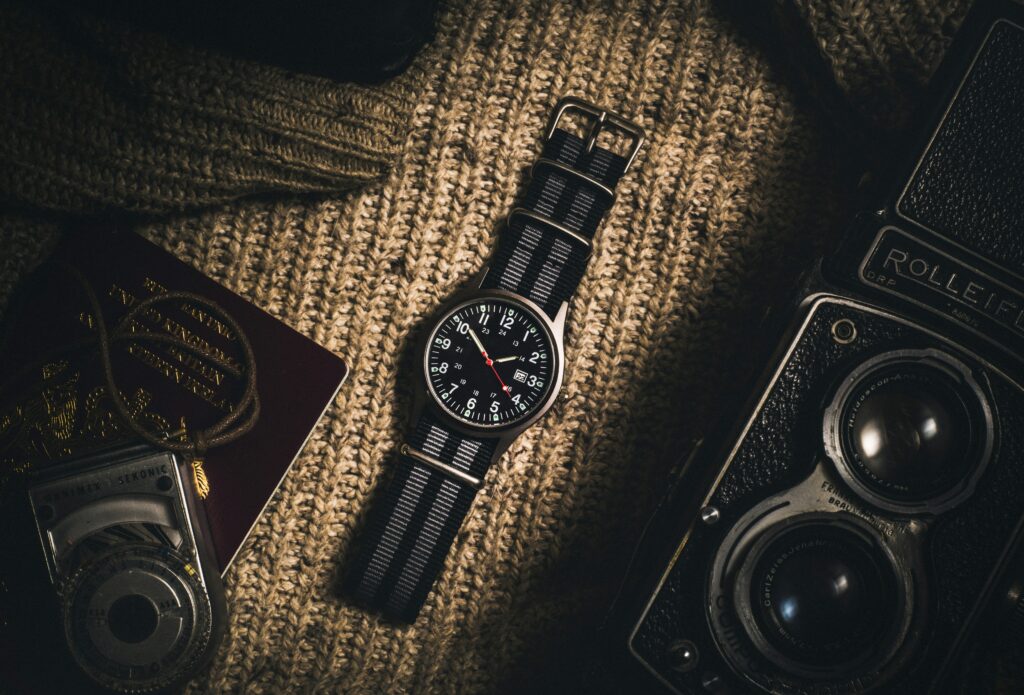
- Watches, both new and vintage, moving between dealers, service centers and private buyers.
- Precious metals, including gold, silver and platinum in bar, coin or raw form.
- Fine art and collectibles, including paintings, sculptures and rare items moving between galleries, auction houses and private collections.
- High value electronics and prototypes, including cutting edge tech, camera equipment and components with significant commercial or intellectual property value.
Chain of custody: the core of secure high value transport
Chain of custody is the practice of documenting every handoff of an item, with a timestamp and the identity of both parties, from pickup to final delivery. For most standard shipments this is loosely tracked through scan events at a handful of checkpoints. For a high value goods courier, it means something closer to an unbroken personal handoff.
- Pre-shipment verification, confirming the item, its declared value and any appraisal or invoice documentation.
- Discreet, neutral packaging, with no external markings indicating valuable contents, a standard industry practice to avoid attracting attention at any handling point.
- Personal custody in transit, with a single courier responsible for the item rather than a rotating set of handlers.
- Verified recipient identification at final delivery, confirming the named recipient before the item is released.
High value goods courier vs. standard insured shipping
Both options offer some form of protection, but they solve different problems.
| Criteria | High value goods courier | Standard insured shipping |
|---|---|---|
| Custody | Personal, unbroken, one courier the entire journey | Enters a sorting network, multiple handlers |
| Declared value | Not limited by a standard carrier's package cap | Typically capped, often in the tens of thousands per package |
| Best for | Irreplaceable, one of a kind or particularly high value items | Valuable but replaceable inventory with buffer time |
| Delivery point | Direct hand delivery to the verified named recipient | Standard address delivery, signature confirmation |
For routine, replaceable inventory, standard insured shipping is often the practical choice. For a piece that cannot be replaced, or where the value exceeds what standard declared value coverage protects, a dedicated high value goods courier is the safer route.
Dangerous goods in high value shipments
High value electronics, cameras, and prototype devices often contain lithium batteries, which fall under IATA dangerous goods rules depending on watt hour rating and how the battery is packed. A courier who is not IATA dangerous goods trained can have a shipment refused at airline acceptance, which is a particularly bad outcome for a time-sensitive, high value delivery.
How OBC ONE handles a high value goods courier mission
- Brief and quote. You share the item, its declared value, origin, destination and the deadline. OBC ONE returns an all-in quote in under 15 minutes.
- Courier assignment. A vetted courier near the origin is briefed on the specific item and any discretion requirements.
- Secure, discreet pickup. The item is verified, documented and packaged with no external markings indicating valuable contents.
- Personal custody in transit. The courier carries the item in the cabin, staying with it through every connection.
- Verified delivery. Recipient identification is confirmed before the item is released.
- Proof of delivery. Timestamped confirmation and, where required, a signed receipt.
Why freight forwarders route high value missions through OBC ONE
Choosing the right high value goods courier partner starts with the business model. Most jewelry and valuables courier services are local, regional operators who sell directly to dealers and private clients, which puts them in competition with the forwarders who might otherwise use them. OBC ONE is built the opposite way: we work exclusively for and with freight forwarders and time-critical desks. We never approach your clients directly and never compete with you.
That partner model is backed by real operator experience. OBC ONE was founded by an onboard courier who personally flew roughly three million kilometers over six years, so the network understands what a genuinely high stakes mission requires. Forwarders use us because we deliver:
- An all-in quote in under 15 minutes, 24/7/365.
- 1,500+ vetted couriers positioned around major hubs worldwide.
- True door to door coverage, with direct hand delivery to a verified named recipient.
- Discreet, neutral handling for sensitive high value shipments.
- One specialty, onboard courier and hand carry for time-critical missions, done at the highest standard.
How to choose a high value goods courier partner
- Real personal custody, not just a standard parcel service with insurance attached.
- Discreet packaging and handling practices, consistent with recognized industry security standards such as those published by the Transported Asset Protection Association.
- Documented dangerous goods competence, relevant for high value electronics with lithium batteries.
- Fast, transparent quoting, ideally with a named dispatcher accountable for the mission.
- A forwarder-only model, if you are a forwarder, so your partner never becomes a competitor for your high value clients.
Frequently asked questions
What is a high value goods courier?
A high value goods courier hand carries irreplaceable or high value items, such as jewelry, art, or precious metals, keeping them under personal custody from pickup to delivery rather than passing them through a standard parcel network. This reduces the handling risk that comes with multiple sorting hubs and handlers.
Why not just use standard insured shipping?
Standard carriers typically cap declared value, often in the tens of thousands of dollars per package, and route shipments through multiple sorting hubs and handlers. For irreplaceable or particularly high value items, a dedicated courier with personal custody the entire journey offers a level of protection standard shipping cannot fully match.
What is chain of custody in high value transport?
Chain of custody is the practice of documenting every handoff of an item, with a timestamp and the identity of both parties, from pickup to final delivery. For a high value goods courier, this typically means an unbroken personal handoff rather than a series of scan events at checkpoints.
Why is packaging kept discreet for high value shipments?
Discreet, neutral packaging with no external markings indicating valuable contents is standard industry practice, since labeling a package as jewelry, electronics, or otherwise valuable can attract unwanted attention at any handling point during transit.
Are high value electronics subject to dangerous goods rules?
Yes. Many high value electronics contain lithium batteries, which fall under IATA dangerous goods rules depending on watt hour rating and packing method. A courier without proper training can have the shipment refused at airline acceptance.
Do you sell directly to jewelers, galleries, or private clients?
No. OBC ONE works exclusively with and for freight forwarders and time-critical desks. We act as a white label partner and never approach our clients' customers directly.
Get a high value goods courier quote in 15 minutes
If you are a freight forwarder with a jewelry, art, or precious metals shipment on the desk, OBC ONE is your specialist hand carry partner, 24/7, worldwide and never a competitor. Contact our team for an all-in quote in under 15 minutes, or explore more time-critical logistics insights.