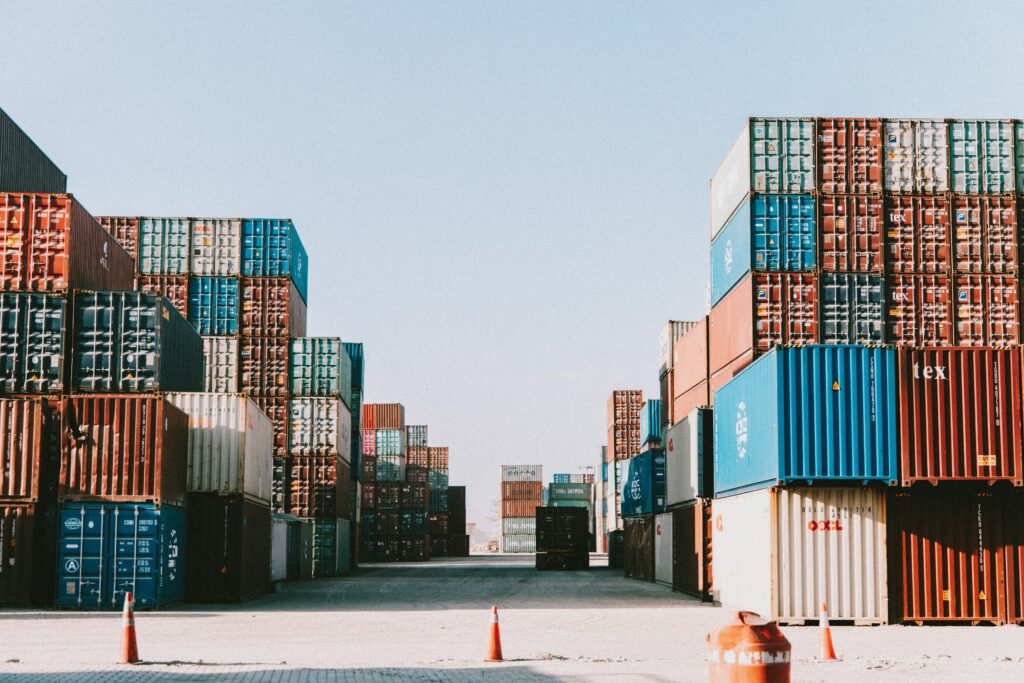
Groupage shipping, also called LCL or less than container load, combines cargo from multiple shippers into one shared container, so each pays only for the space their goods actually occupy rather than the full container cost. The tradeoff is shared risk: since customs clearance in many countries treats a consolidated container as a single unit, if one shipper’s documentation is flagged for inspection, the entire container can be held, including the goods of every other shipper who did nothing wrong.
How groupage shipping actually works
A freight forwarder collects cargo from several shippers heading to the same destination or region, and consolidates it into one container rather than each shipper booking their own.
- Each shipper pays proportionally, based on the volume or weight their cargo occupies within the shared container.
- A master bill of lading covers the whole container, while a house bill of lading covers each individual shipment, the same consolidation structure already covered for house and master air waybills on this site.
- Deconsolidation happens at destination, where the container is unloaded and each shipment separated for delivery to its own consignee.
Why one shipper’s problem becomes everyone’s delay
The efficiency of groupage shipping comes from treating the container as one unit. That same efficiency becomes a liability the moment something goes wrong with just one shipment inside it.
- A customs hold on one shipper’s cargo commonly stops the entire container, since many customs authorities process a consolidated shipment as a single unit rather than clearing each shipper’s goods separately.
- Incorrect documentation from a single shipper can delay every other shipper sharing that container, regardless of how accurate their own paperwork was.
- Working with a forwarder who runs pre-loading compliance checks reduces this risk but does not eliminate it entirely, since the exposure is structural to sharing a container in the first place.
The other real cost: waiting for the container to fill
Groupage containers commonly depart only once enough cargo has been collected to fill them economically, which adds a waiting period on top of the transit time itself. Door to door transit for groupage sea freight typically runs 20 to 50 days, considerably longer than the equivalent air freight option, and a shipment that arrives at the consolidation warehouse just after a container has already been booked may sit until the next one is assembled.
When the shared risk is worth paying to avoid
- A high value or fragile item, where the additional handling that comes with consolidation and deconsolidation carries more risk than the cost savings justify.
- A shipment with a hard deadline, where waiting for a container to fill, or being held because of another shipper’s documentation, is not something the timeline can absorb.
- Cargo that genuinely cannot wait for the next available consolidation slot, where the whole point is speed rather than cost efficiency.
An onboard courier avoids the shared container risk entirely, without requiring the cost of booking an entire container exclusively. The shipment travels with one person, in personal custody, unaffected by whatever is happening with anyone else’s cargo.
Groupage shipping vs. onboard courier
| Criteria | Groupage shipping | Onboard courier |
|---|---|---|
| Capacity | Shared with other shippers in one container | Personal custody, unaffected by other shippers |
| Customs exposure | One shipper’s flag can hold the whole container | Only the specific shipment’s own documentation applies |
| Best for | Routine, cost-sensitive, non-urgent cargo | Deadlines that cannot absorb someone else’s delay |
| Typical cost | Lower, priced per cubic meter or weight share | Higher, priced per mission |
How OBC ONE handles a shipment that would otherwise ride groupage
A typical mission runs through six steps with OBC ONE, most of which overlap to save time.
- Brief and quote. You share the shipment, origin, destination, and the deadline. OBC ONE returns an all-in quote in under 15 minutes.
- Routing check. We confirm the shipment can move on its own timeline, without waiting on anyone else’s cargo or documentation.
- Courier assignment. A vetted courier near the origin is dispatched immediately.
- Personal custody in transit. The courier carries the shipment in the cabin, staying with it through every connection.
- Direct delivery. Handover happens with the named recipient, not a shared deconsolidation warehouse.
- Proof of delivery. Timestamped confirmation for your records.
Why freight forwarders route these decisions through OBC ONE
Choosing the right option when shared container risk is not acceptable starts with the business model. Many specialty couriers sell directly to shippers, which puts them in competition with the forwarders who might otherwise use them. OBC ONE is built the opposite way: we work exclusively for and with freight forwarders and time-critical desks. We never approach your clients directly and never compete with you.
That partner model is backed by real operator experience. OBC ONE was founded by an onboard courier who personally flew roughly three million kilometers over six years, so the network understands exactly when groupage shipping makes sense and when its shared risk is worth avoiding. Forwarders use us because we deliver:
- An all-in quote in under 15 minutes, 24/7/365.
- 1,500+ vetted couriers positioned around major hubs worldwide.
- True door to door coverage, with import and export customs clearance and Importer of Record service in most markets.
- IATA certified dangerous goods capability for shipments that require it.
- One specialty, onboard courier and hand carry for time-critical missions, done at the highest standard.
How to choose between groupage shipping and an onboard courier
- Honest guidance on the real exposure, not just the headline cost savings of sharing a container.
- Real network density near major hubs, so a scheduled onboard courier option is not delayed by being flown in first.
- Fast, transparent quoting, ideally with a named dispatcher accountable for the mission.
- Documented dangerous goods competence, relevant to either option.
- A forwarder-only model, if you are a forwarder, so your partner never becomes a competitor for your clients.
Frequently asked questions
What is groupage shipping?
Groupage shipping, also called LCL or less than container load, combines cargo from multiple shippers into one shared container, so each shipper pays only for the space their goods occupy rather than the full container cost.
Why can one shipper’s documentation delay an entire groupage container?
Many customs authorities process a consolidated container as a single unit, so a customs hold or documentation error on one shipper’s cargo can stop the entire container, even for shippers whose own paperwork was correct.
How long does groupage shipping typically take?
Door to door transit for groupage sea freight commonly runs 20 to 50 days, considerably longer than air freight options, and cargo may also wait at a consolidation warehouse until enough volume has been collected to fill a container.
What is the difference between groupage shipping and a full container load?
A full container load reserves the entire container exclusively for one shipper, avoiding the shared customs and handling risk of consolidation, but at a higher cost than paying only for the space actually used.
When should I avoid groupage shipping for a specific shipment?
When the cargo is high value, fragile, or on a deadline that cannot absorb a delay caused by another shipper’s documentation or a wait for the container to fill.
Do you sell directly to shippers or buyers?
No. OBC ONE works exclusively with and for freight forwarders and time-critical desks. We act as a white label partner and never approach our clients’ customers directly.
Get an answer that doesn’t depend on someone else’s paperwork
If you are a freight forwarder with a shipment that cannot afford shared container risk, OBC ONE gives you an honest answer, 24/7, worldwide and never a competitor. Contact our team for an all-in quote in under 15 minutes, or explore more time-critical logistics insights.