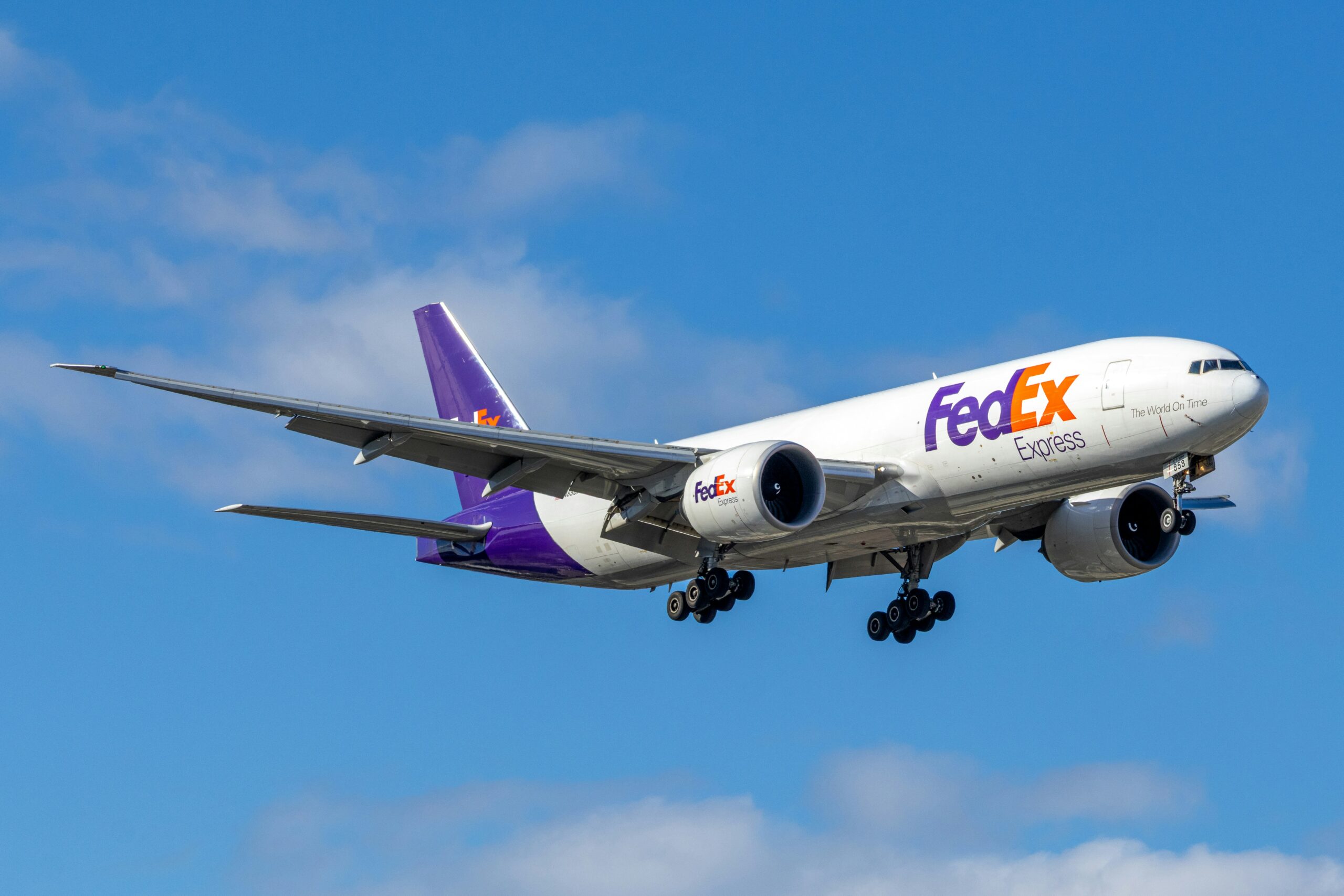

Air charter arranges a dedicated aircraft through one of two paths: dealing directly with a certificated operator, or going through a broker regulated under 14 CFR Part 295. Either way, one thing never changes by law: operational control, the actual go or no-go authority over the flight, has to stay with the certificated Part 135 operator, never the broker, the customer, or the aircraft owner. Confusing that line is exactly what defines illegal “gray charter.”
Broker vs. operator: two different roles in air charter
These two parties in air charter are often conflated, but they carry entirely different legal responsibilities.
- The operator holds the actual FAA certificate under Part 135, physically flies the aircraft, and retains operational control over every flight decision.
- The air charter broker acts as an intermediary, sourcing available aircraft on the customer’s behalf, but never operates anything and never holds operational control.
- Since 2019, air charter brokers have had to disclose, on request, the actual operator’s name, its liability insurance, and the total cost of the flight including third-party charges.
Why “gray charter” is a real risk, not a technicality
In air charter, aircraft operated under Part 91 are for non-commercial use only, private owners, corporate flight departments, recreational flying. Chartering a Part 91 aircraft for hire is illegal air charter, regardless of how the arrangement is worded or who is asking. Every legitimate charter flight, including every empty leg, operates under a Part 135 certificate, and verifying that certificate is part of basic due diligence before booking.
Empty leg flights: a real discount with a real catch
An empty leg air charter is a one-way flight sold at a discount because the aircraft already has to reposition for its next paid booking, often priced 25 to 80 percent below standard charter rates.
- The discount widens as the departure window narrows, since the operator has less time to find a paying passenger for that specific leg.
- Timing in this form of air charter is dictated by the aircraft’s existing schedule, not the shipper’s, which makes empty legs a genuine opportunity but an unpredictable one for a fixed deadline.
- The same operational control rules apply to this kind of air charter, since an empty leg is still a Part 135 flight, not a Part 91 arrangement.
Third-party safety audits worth knowing about
Beyond the FAA certificate itself in air charter, voluntary third-party audit firms rate individual Part 135 operators on safety performance, reviewed annually. Checking whether an operator holds a current rating from one of these bodies is a reasonable extra step before committing to an unfamiliar charter operator.
Why the same transparency question applies to any time-critical shipment
The core question behind air charter, who is actually accountable for this flight, and can that be verified, applies just as directly to choosing a courier for an urgent shipment. An onboard courier mission has a clear, single accountable party throughout: the same person collects the shipment, travels with it, and delivers it, without a broker layer or an operational control question to untangle.
How OBC ONE keeps accountability simple
A typical mission runs through six steps with OBC ONE, most of which overlap to save time.
- Brief and quote. You share the shipment, origin, destination, and the deadline. OBC ONE returns an all-in quote in under 15 minutes.
- Direct answer on the mode. If a scheduled onboard courier fits, we say so; if a special trip charter genuinely does not, already covered separately on this site, we say that too.
- Courier assignment. A vetted courier near the origin is dispatched immediately.
- Personal custody in transit. The courier carries the shipment in the cabin, staying with it through every connection.
- Direct delivery. Handover happens with the named recipient, not a generic address.
- Proof of delivery. Timestamped confirmation for your records.
Why freight forwarders trust OBC ONE with accountability questions
Choosing a partner where air charter style accountability is never ambiguous starts with the business model. Many specialty couriers sell directly to shippers, which puts them in competition with the forwarders who might otherwise use them. OBC ONE is built the opposite way: we work exclusively for and with freight forwarders and time-critical desks. We never approach your clients directly and never compete with you.
That partner model is backed by real operator experience. OBC ONE was founded by an onboard courier who personally flew roughly three million kilometers over six years, so the network understands exactly why a clear line of accountability matters as much in air charter as it does in any time-critical mission. Forwarders use us because we deliver:
- An all-in quote in under 15 minutes, 24/7/365.
- 1,500+ vetted couriers positioned around major hubs worldwide.
- True door to door coverage, with import and export customs clearance and Importer of Record service in most markets.
- IATA certified dangerous goods capability for shipments that require it.
- One specialty, onboard courier and hand carry for time-critical missions, done at the highest standard.
How to choose a partner without an accountability question
- One clear, verifiable party responsible for the mission, not a broker layer obscuring who actually controls it.
- Fast, transparent quoting, ideally with a named dispatcher accountable for the mission.
- Real network density near major hubs, so the courier is not delayed by being flown in first.
- Documented dangerous goods competence, relevant to the specific shipment.
- A forwarder-only model, so your partner never becomes a competitor for your clients.
Frequently asked questions
What is the difference between an air charter broker and an operator?
The operator holds the FAA certificate, flies the aircraft, and retains operational control over every flight decision. The broker sources available aircraft on the customer’s behalf but never operates anything or holds operational control.
What is “gray charter”?
Gray charter is chartering a Part 91 aircraft, intended for non-commercial use only, for hire. It is illegal regardless of how the arrangement is described, and every legitimate charter operates under a Part 135 certificate instead.
What disclosures must an air charter broker provide?
On request, brokers must disclose the actual operator’s name, its liability insurance coverage, and the total cost of the flight including any third-party charges, required under federal regulation since 2019.
What is an empty leg flight?
An empty leg is a one-way flight sold at a discount, often 25 to 80 percent below standard rates, because the aircraft already needs to reposition for its next paid booking, with timing set by the operator’s schedule rather than the customer’s.
How can I verify an air charter operator’s safety record?
Voluntary third-party audit firms rate individual Part 135 operators on safety performance annually, and checking for a current rating is a reasonable step before booking with an unfamiliar operator.
Do you sell directly to shippers or buyers?
No. OBC ONE works exclusively with and for freight forwarders and time-critical desks. We act as a white label partner and never approach our clients’ customers directly.
Get an answer with no accountability ambiguity
If you are a freight forwarder who wants a clear, single point of accountability for a time-critical shipment, OBC ONE gives you a straight answer, 24/7, worldwide and never a competitor. Contact our team for an all-in quote in under 15 minutes, or explore more time-critical logistics insights.