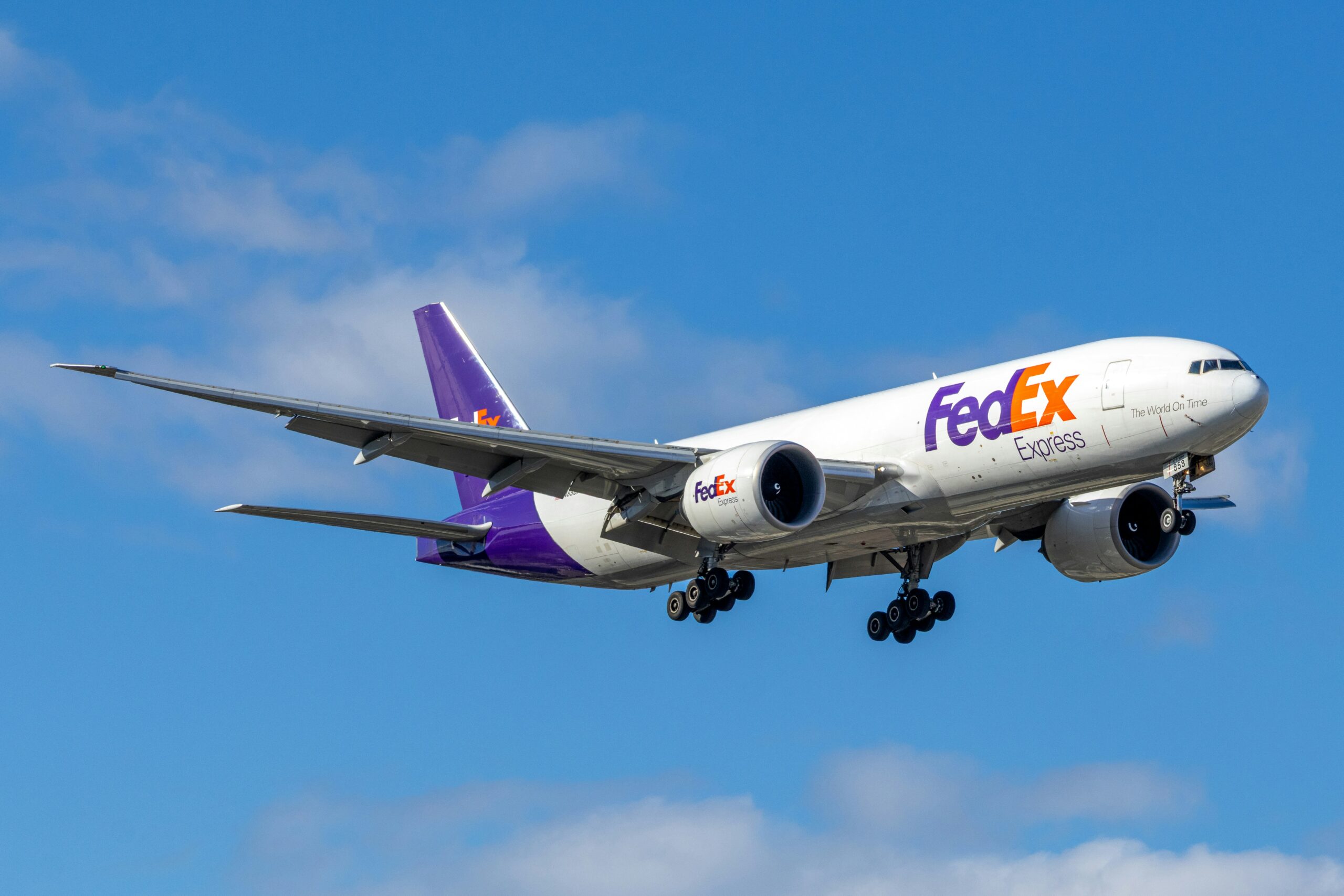

Express shipping is a time-definite parcel service, moving a package through a carrier’s standard sorting network on a faster, guaranteed delivery tier rather than a dedicated route. The guarantee behind it is real but narrow: it typically refunds only the transportation charge, not fuel surcharges, duties, taxes, or accessorial fees, practices consumer protection regulators such as the Federal Trade Commission monitor closely, and it is commonly suspended entirely during peak holiday periods. For a genuinely critical shipment, that refund rarely covers what the delay itself actually costs.
What express shipping actually is
Express shipping moves a package through the same sorting hubs and ground handling as any other parcel, just on a faster, time-definite service tier, often guaranteeing delivery by a specific hour the next business day.
- Still network dependent, since the package passes through the carrier’s standard hub and sort process, just prioritized within it.
- Weight and size limited, with most express services built around individual packages rather than freight, and additional surcharges applying above a certain weight threshold.
- Backed by a delivery commitment, typically a specific time the next business day, with a stated remedy if that commitment is missed.
What the money-back guarantee actually covers
The guarantee sounds like real protection, and it is, within narrow limits.
- Only the transportation charge is refunded, excluding fuel surcharges, duties, taxes, and other accessorial fees already paid on the shipment.
- Common exclusions remove entire categories of delay, including weather, customs holds, an incorrect address, or a recipient who was not available to accept delivery.
- The guarantee is often suspended entirely during peak holiday periods, precisely when shippers may need it most.
Why the refund rarely covers what is actually at stake
A missed express delivery on a genuinely critical shipment, a part holding up a production line, a document needed for a filing, a component a customer is waiting on, costs far more than the shipping fee itself. The guarantee refunds what was paid for transport. It does not touch the value of the delay, and under the standard exclusions, plenty of real-world delay causes are not covered at all.
Where an onboard courier removes the exclusions instead of relying on them
Many of the standard exclusions in an express guarantee describe exactly the failure points a standard network creates: an address problem discovered too late, a customs hold with no one present to resolve it, a hub mis-sort with no one there to catch it. An onboard courier removes several of these points directly, since the same person collects the shipment, verifies the details before departure, and hands it to the named recipient personally rather than relying on standard air cargo network handling to get it there.
Express shipping vs. onboard courier
| Criteria | Express shipping | Onboard courier |
|---|---|---|
| Custody | Standard network handling, no dedicated escort | Personal, unbroken, one courier the entire journey |
| If something goes wrong | A refund of the transportation charge, with broad exclusions | A courier present to resolve the issue directly |
| Best for | Routine, replaceable parcels under standard weight limits | Irreplaceable, high value, or deadline critical shipments |
| Typical cost | Lower, standard express pricing | Higher, priced per mission |
How OBC ONE handles a mission that starts as express shipping
A typical mission runs through six steps with OBC ONE, most of which overlap to save time.
- Brief and quote. You share the shipment, origin, destination, and the deadline. OBC ONE returns an all-in quote in under 15 minutes, including whether express shipping or an onboard courier fits better.
- Mode selection. Based on value, weight, and how much a delay would actually cost, we recommend the right option rather than defaulting to whichever is easiest to sell.
- Courier assignment. Where personal custody is the right call, a vetted courier near the origin is dispatched immediately.
- Personal custody in transit. The courier carries the shipment in the cabin, staying with it through every connection.
- Direct delivery. Handover happens with the named recipient, not a generic address.
- Proof of delivery. Timestamped confirmation for your records.
Why freight forwarders route these decisions through OBC ONE
Choosing the right mode, not just the fastest label, starts with the business model. Many specialty couriers sell directly to shippers, which puts them in competition with the forwarders who might otherwise use them. OBC ONE is built the opposite way: we work exclusively for and with freight forwarders and time-critical desks. We never approach your clients directly and never compete with you.
That partner model is backed by real operator experience. OBC ONE was founded by an onboard courier who personally flew roughly three million kilometers over six years, so the network understands exactly when express shipping is enough and when the exclusions matter too much to risk. Forwarders use us because we deliver:
- An all-in quote in under 15 minutes, 24/7/365.
- 1,500+ vetted couriers positioned around major hubs worldwide.
- True door to door coverage, with import and export customs clearance and Importer of Record service in most markets.
- IATA certified dangerous goods capability for shipments that require it.
- One specialty, onboard courier and hand carry for time-critical missions, done at the highest standard.
How to choose between express shipping and an onboard courier
- Honest guidance on what the guarantee actually covers, not just the headline delivery time.
- Real network density near major hubs, so an onboard courier option is not delayed by being flown in first.
- Fast, transparent quoting, ideally with a named dispatcher accountable for the mission.
- Documented dangerous goods competence, relevant to either mode.
- A forwarder-only model, if you are a forwarder, so your partner never becomes a competitor for your clients.
Frequently asked questions
What is express shipping?
Express shipping is a time-definite parcel service that moves a package through a carrier’s standard sorting network on a faster, guaranteed delivery tier, typically committing to a specific delivery time the next business day.
What does an express shipping money-back guarantee actually cover?
Typically only the transportation charge, excluding fuel surcharges, duties, taxes, and other fees. Common exclusions also remove weather delays, customs holds, incorrect addresses, and unavailable recipients from eligibility.
Is the guarantee suspended during peak season?
Often, yes. Major carriers have suspended money-back guarantees during peak holiday periods in the past, which is worth checking before relying on the guarantee for a time-sensitive shipment during that window.
Why doesn’t a refund cover what a delay actually costs?
The guarantee refunds the shipping fee paid, not the value of the deadline that was missed. For a shipment holding up a production line or a filing deadline, that gap can be substantial.
When should I use an onboard courier instead of express shipping?
When the shipment is irreplaceable, high value, or the cost of a delay far exceeds the shipping fee itself, personal custody removes several of the failure points that trigger standard express exclusions in the first place.
Do you sell directly to shippers or buyers?
No. OBC ONE works exclusively with and for freight forwarders and time-critical desks. We act as a white label partner and never approach our clients’ customers directly.
Get an honest answer on express shipping in 15 minutes
If you are a freight forwarder deciding between express shipping and an onboard courier, OBC ONE gives you an honest answer, 24/7, worldwide and never a competitor. Contact our team for an all-in quote in under 15 minutes, or explore more time-critical logistics insights.