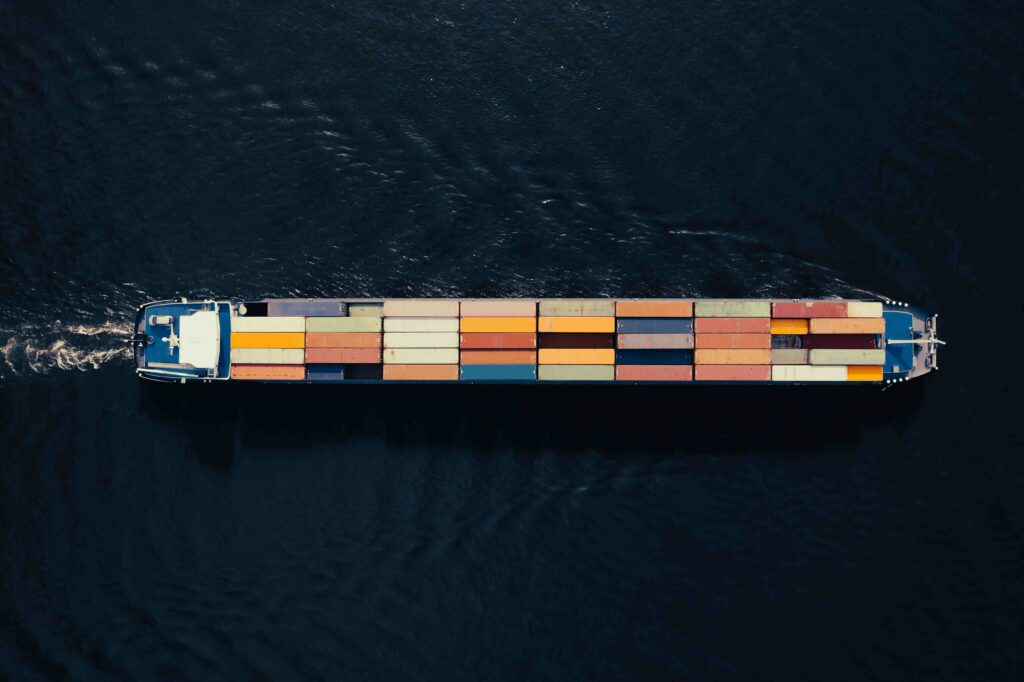
Sea Freight (FCL / LCL) splits into two options: a Full Container Load reserved exclusively for one shipper, and a Less than Container Load sharing space with others, already covered in detail on this site as groupage shipping. The industry rule of thumb puts the cost crossover between the two somewhere around 10 to 15 CBM. What that crossover calculation does not capture is schedule reliability: global on-time performance recently fell to 59 percent during a Red Sea and Hormuz related disruption, with late vessels arriving five and a half days behind their published date on average.
The real crossover point between FCL and LCL
Choosing between the two options in Sea Freight (FCL / LCL) usually comes down to volume first.
- Below roughly 10 to 15 CBM in Sea Freight (FCL / LCL), LCL is typically the cheaper option, since the shipper pays only for the space actually used.
- On high-volume trade lanes, such as China to the United States, the crossover can sit as low as 8 to 10 CBM, since carriers price FCL more competitively where container flow is heaviest.
- A standard 20-foot container holds around 33 CBM, and the closer a Sea Freight (FCL / LCL) shipment gets to filling it, the more the per-unit cost of FCL improves.
Why the cheapest quote is not always the cheapest outcome
A pure freight rate comparison misses several costs that show up later in Sea Freight (FCL / LCL), particularly on the LCL side.
- Container freight station handling fees, consolidation and deconsolidation charges, and documentation fees all add to the LCL total in Sea Freight (FCL / LCL) beyond the headline per-CBM rate.
- A missed consolidation slot can erase the LCL savings many times over, since the shipment then waits for the next available departure rather than moving on schedule.
- Demurrage and detention apply to both Sea Freight (FCL / LCL) options, though FCL puts the full charge on one shipper alone rather than spreading exposure across several, already discussed for the groupage case on this site.
The real cost of demurrage and detention
- Demurrage, charged when a container sits at the terminal beyond its free time, commonly three to five days, typically runs 150 to 350 dollars per day.
- Detention, charged when an empty container is held beyond its allowed return window, typically runs 100 to 250 dollars per day.
- Both charges compound daily in Sea Freight (FCL / LCL), so a customs delay of even a few days can add a meaningful sum to what looked like a fixed, all-in quote.
Why schedule reliability has become its own variable
Sea Freight (FCL / LCL) on-time performance has been genuinely volatile recently, shaped by rerouting around geopolitical disruptions and ongoing carrier capacity management under frameworks such as the International Maritime Organization’s vessel efficiency standards.
- Global schedule reliability dropped to 59 percent during a recent regional disruption, before recovering only partially to just above 62 percent the following month.
- Late vessels are landing roughly five and a half days behind schedule on average, a gap that a shipment with genuine flexibility can absorb far more easily than one tied to a fixed delivery appointment.
- Blank sailings, where a carrier simply cancels a scheduled departure to manage capacity, add another layer of unpredictability neither side of Sea Freight (FCL / LCL) pricing accounts for upfront.
Where neither FCL nor LCL is the right answer
The Incoterm governing the sale, already covered across the Incoterms series referenced under the ICC’s rules on this site, often determines who actually carries the risk of a schedule slip. For a shipment with a fixed date that cannot bend the way ocean freight currently can, ocean transit of 20 to 45 days, on a schedule reliability rate hovering near 60 percent, is simply the wrong tool regardless of whether FCL or LCL pricing looks better on paper. An onboard courier exists for exactly that gap, where the deadline itself, not the per-CBM rate, is what actually decides the mode.
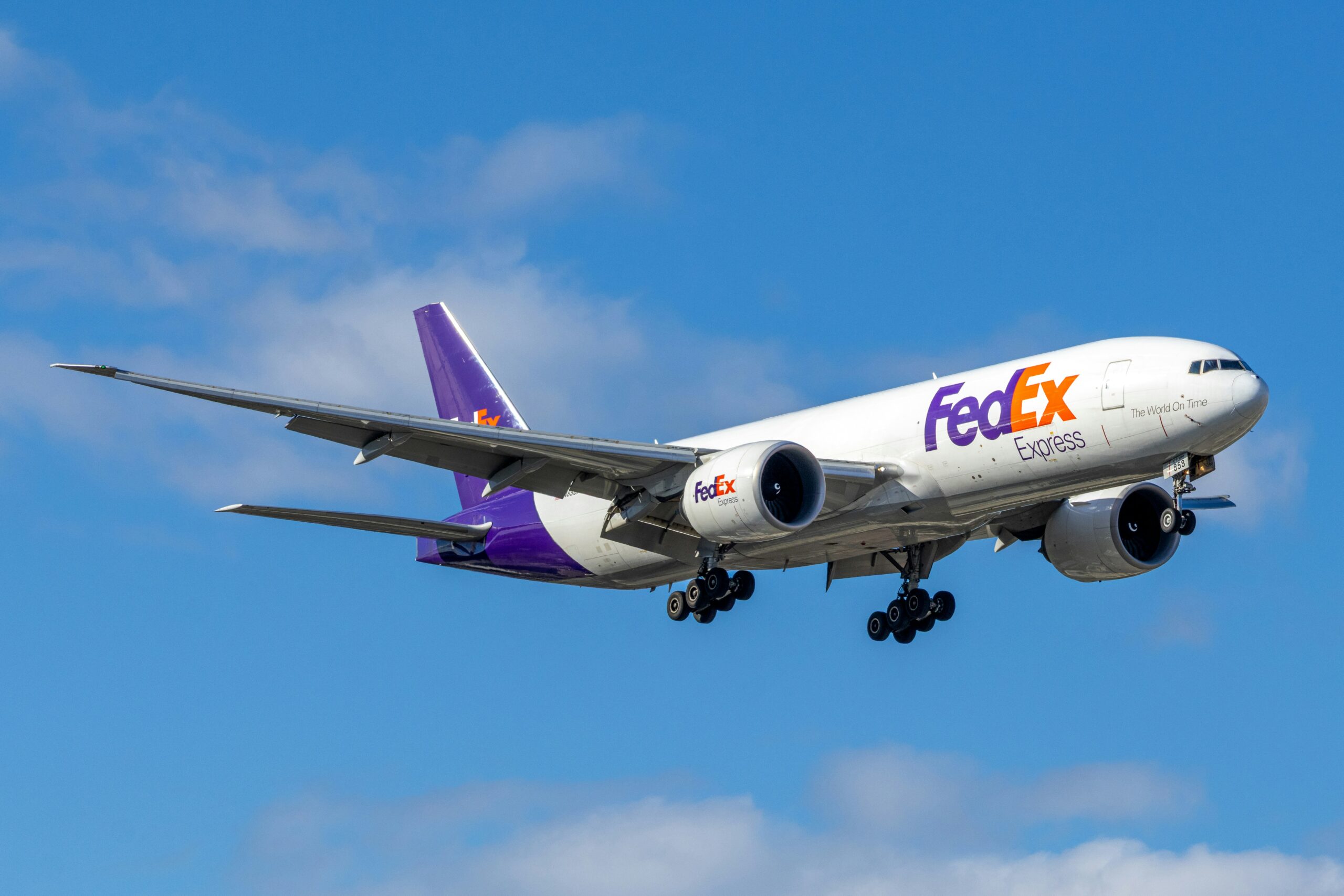
Sea Freight (FCL / LCL) vs. onboard courier
| Criteria | Sea Freight (FCL / LCL) | Onboard courier |
|---|---|---|
| Transit time | 20 to 45 days, currently ~60% on-time | Hours, on a scheduled flight |
| Cost driver | Volume, crossover point, demurrage risk | Priced per mission |
| Best for | Large volume, non-urgent, budget-driven cargo | Small, high value, or deadline critical shipments |
How OBC ONE handles the shipment sea freight cannot cover
A typical mission runs through six steps with OBC ONE, most of which overlap to save time.
- Brief and quote. You share the shipment, origin, destination, and the deadline. OBC ONE returns an all-in quote in under 15 minutes.
- Honest mode check. If ocean freight genuinely cannot meet the deadline, we tell you directly rather than quoting a mode that will not work.
- Courier assignment. A vetted courier near the origin is dispatched immediately.
- Personal custody in transit. The courier carries the shipment in the cabin, staying with it through every connection.
- Direct delivery. Handover happens with the named recipient, not a port or terminal.
- Proof of delivery. Timestamped confirmation for your records.
Why freight forwarders route these decisions through OBC ONE
Choosing the right option when Sea Freight (FCL / LCL) schedule reliability is the risk, not just the cost, starts with the